Must-Know Guidelines for Everyday Vaginal Health
Dec 18, 2025 Grissolife Team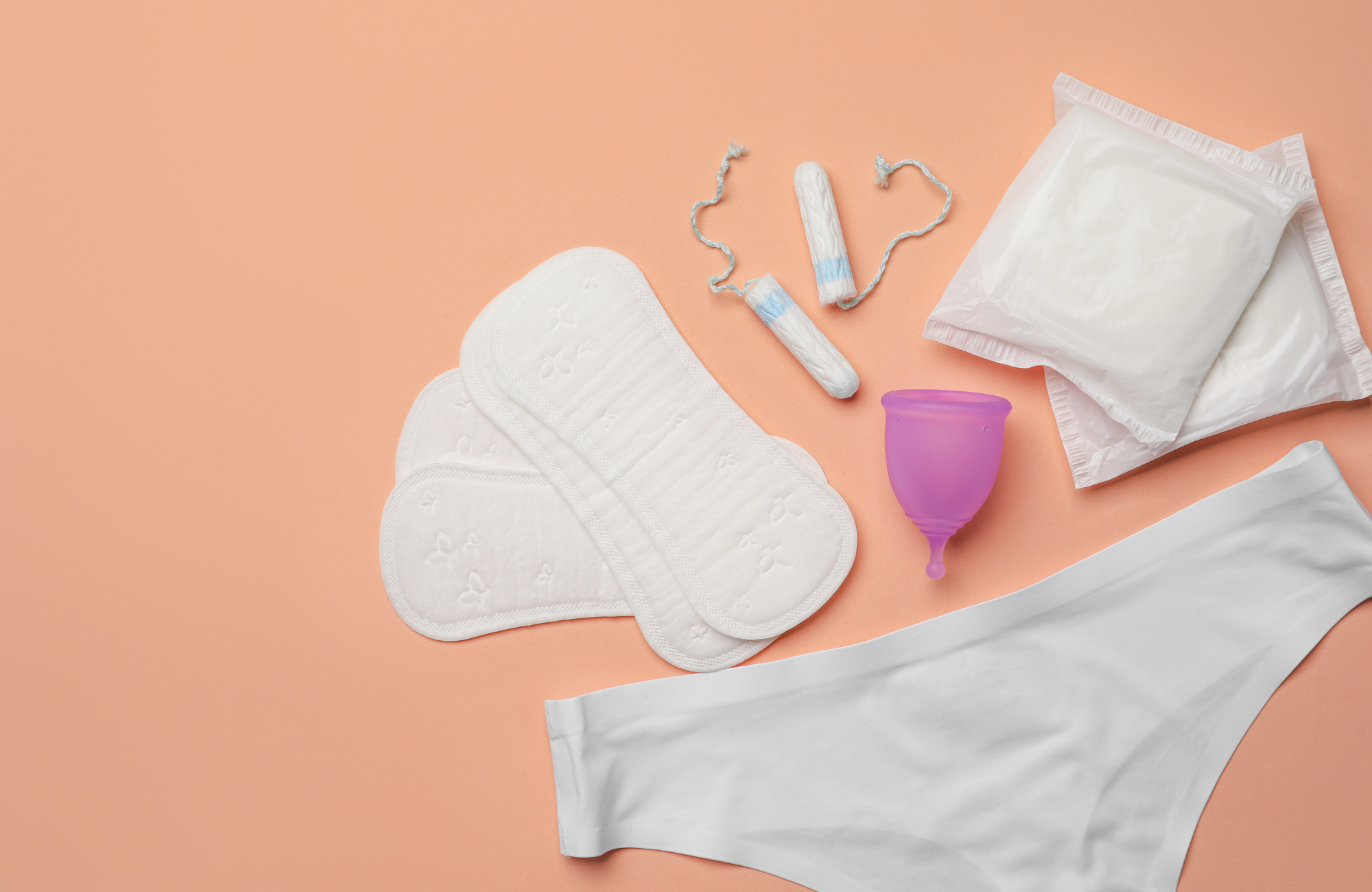
Gentle Daily Intimate Care Routine
1. Set the water temperature to a comfortable level (30–40°C / 86–104°F).
2. Hold the showerhead near the lower abdomen and let the water flow gently from front to back, rinsing the external intimate area for 5–10 seconds.
3. With clean hands, gently separate the outer folds of the vulva, where natural discharge may collect. Lightly cleanse these areas with your fingers, then let the water rinse everything away.
4. Around the vaginal opening, simply let the water pass over the area. Avoid scrubbing, applying pressure, or cleansing internally.
5. After cleansing the intimate area, move on to the anal area, always washing from front to back to help prevent cross-contamination.
6. When finished, gently pat the area dry with a clean towel before putting on underwear.
Notes:
1. Towels and cleansing tools should be for personal use only and not shared with others. Before each use, ensure they are clean and thoroughly rinsed, which helps keep them fresh and hygienic for daily use.
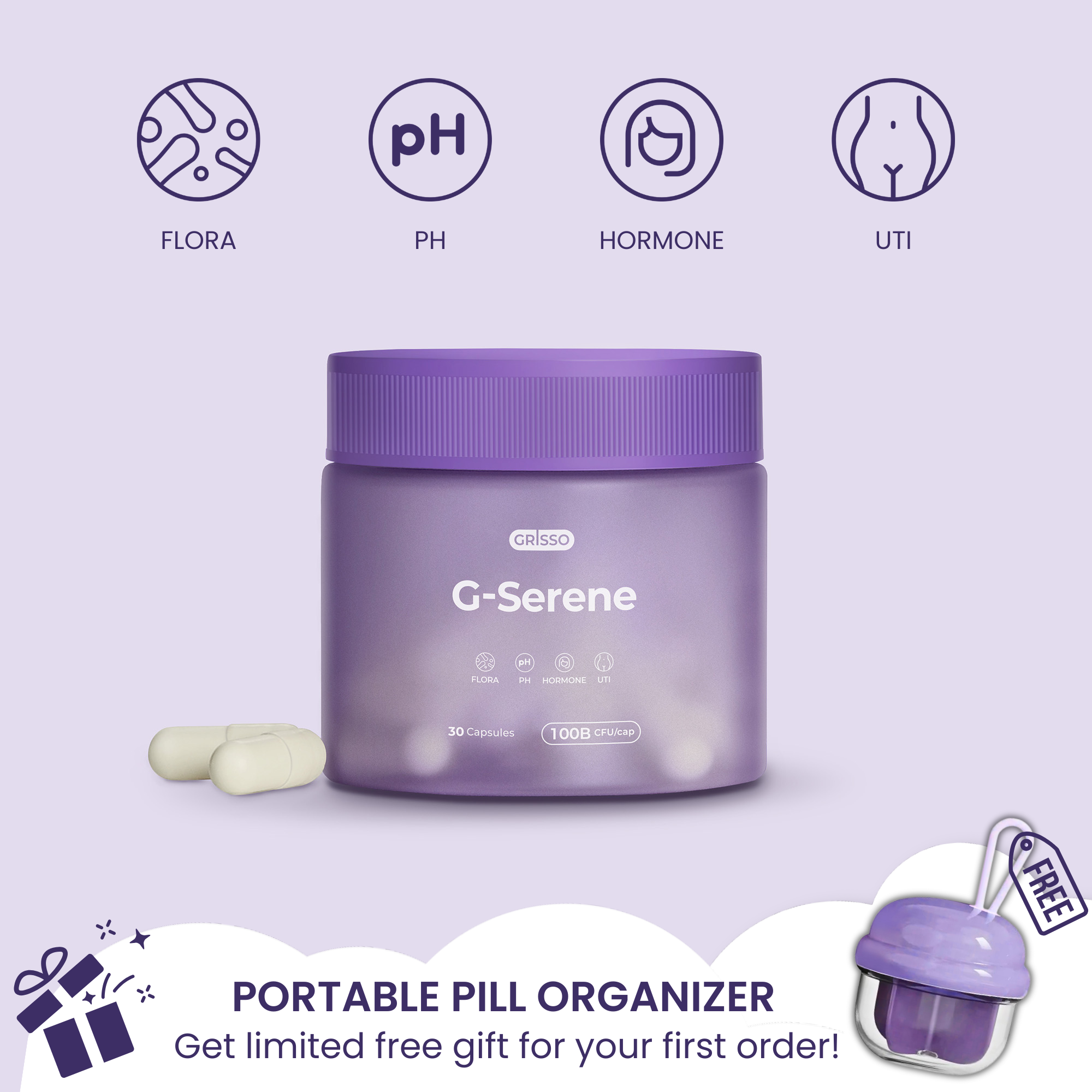
2. Adding women’s health probiotic to your daily care routine helps support a healthy vaginal microbiome. Lactobacillus strains naturally maintain the vagina’s pH balance and reinforce its natural defenses, keeping the vaginal flora strong and balanced. Formulated with prebiotics, G-Serene nourishes and strengthens the vagina’s natural microbial environment, complementing your everyday cleansing and care routine.*
3. Wearing Cotton Underwear. Cotton is highly breathable, allowing air to circulate and keeping the area dry, which helps reduce excess moisture that can encourage bacterial growth. It is also soft and gentle on the skin, minimizing friction and irritation for all-day comfort.
Common Cleansing Mistakes to Avoid
Avoid sharing bathtubs or towels with others
Intimate care items are best kept for personal use only. For everyday cleansing, simply use clean, running water at a comfortable, body-like temperature, and gently rinse the external intimate area.
Avoid Spraying Water Upward
Spraying water upward with a showerhead can allow water to flow into the vaginal area, which may disrupt its natural internal balance. It’s gentler to let water run from front to back and focus only on external cleansing.
Avoid Vaginal Douching
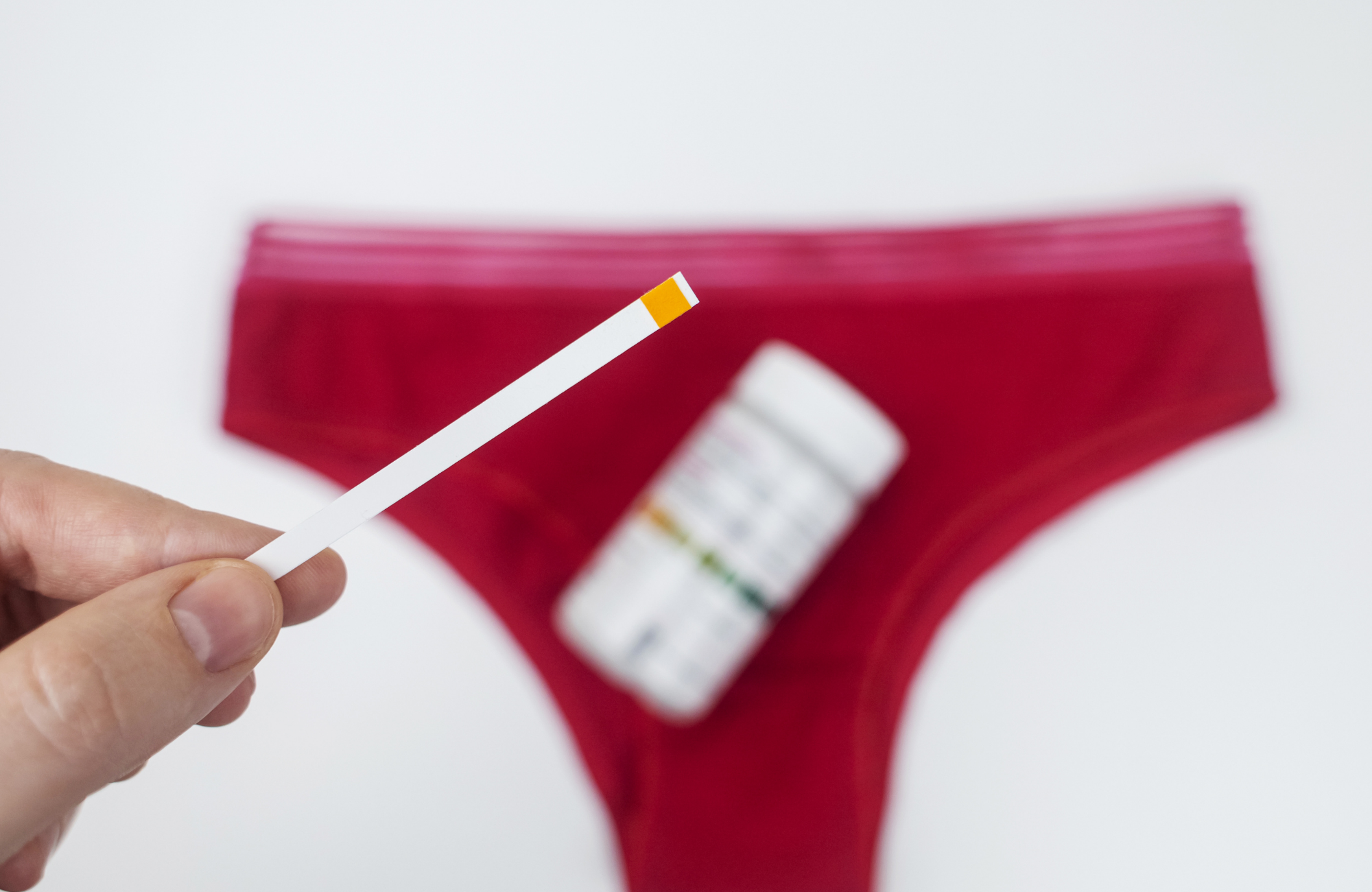
Vaginal douching can disrupt the natural balance of the intimate area. It may affect both the beneficial vaginal microbiome and the natural pH level, increasing the risk of imbalance and discomfort.
Avoid Over-Cleansing
In most cases, cleansing the external intimate area once a day is enough. The vagina has its own natural self-protective mechanisms, and cleaning too often may do more harm than good by disrupting this natural balance.
Avoid Using Soap or Body Wash
Soaps and body washes are often too harsh for the intimate area. They can strip away the area’s natural protective oils and may interfere with healthy bacteria and pH balance, which can upset the natural balance.
According to the World Health Organization, bacterial vaginosis (BV) — a condition that reflects an imbalance in the vaginal microbiome — affects about 23–29% of women of reproductive age worldwide, making it one of the most common causes of vaginal symptoms. Cleansing practices that disturb the natural bacterial balance, such as using harsh soaps or washes, are known to increase the risk of this imbalance.* If there is an infection or irritation that requires a special cleansing solution, always follow your healthcare provider’s instructions.
Cleaning During Special Times:
Menstruation
- Avoid taking long baths and do not rinse the vagina internally.
- If possible, gently rinse the external area with clean water in the morning.
- Change your sanitary pad every 2-3 hours to maintain freshness.
- Before going to bed, gently rinse the external intimate area again.
Sex Practicing
Before and after sexual activity, simply rinse the external intimate area with clean water. There is no need to wash inside the vagina. Many women worry about residues such as lubricants or condom oils. However, products from reputable manufacturers undergo strict quality checks, and most lubricants and condom coatings are water-based, with a texture very close to water. Any residues are typically expelled naturally, evaporate, or are absorbed, and what remains is minimal.
The vagina also has a natural self-cleaning ability, so even if small residues remain, the microbiome maintains balance. Internal douching is not recommended, as it may disrupt the natural microbial environment.
Tip: Urinating before and after sex can help reduce the risk of urinary tract infections by flushing out bacteria.
During Infections
Seek medical advice promptly and do not self-medicate. If you have an infection or irritation, follow your healthcare provider’s instructions regarding the appropriate cleansing method, whether it’s a sitz bath, shower, or other recommended approach.
Tip: During this time, both partners should follow treatment guidance, and it’s best to limit sexual activity until the infection is fully resolved.