Constipation in Women: Causes, Symptoms, and How to Improve It
Jan 15, 2026 Grissolife Team
Constipation is a common concern in women’s digestive health, and many women experience irregular or difficult bowel movements at different stages of life. Compared to men, constipation in women occurs more frequently due to a combination of anatomy and hormonal changes that directly affect gut motility.
First, Female Anatomy and Digestive Structure
One key reason constipation is more common in women lies in female anatomy.
The ovaries, uterus, fallopian tubes, and rectum share a limited pelvic space, with the rectum positioned directly behind the uterus. The vagina and rectum are separated by only a thin layer of tissue, and the female rectum is approximately 10 cm longer than men’s, creating more curves and bends. This compact and curved structure can slow gut motility, making bowel movements less efficient. During menstruation and pregnancy, the uterus may enlarge and place pressure on the rectum, narrowing the passage and increasing the likelihood of constipation.
In addition, healthy bowel movements rely on strong pelvic floor muscles. In women with weakened pelvic floor support—such as during pregnancy or after childbirth—reduced muscle coordination can further contribute to chronic constipation. By contrast, men do not have reproductive organs occupying the pelvic cavity, and their rectum is shorter and straighter, allowing stool to pass more easily.
Second, Hormonal Changes and Gut Motility
Another major contributor to constipation in women is ongoing hormonal fluctuation.
After ovulation, levels of estrogen and progesterone increase, especially progesterone. Progesterone can relax the smooth muscles of the intestines, slowing gut motility and reducing the efficiency of digestion. This process—often referred to as hormonal constipation—causes stool to move more slowly through the digestive tract.
During pregnancy, progesterone levels rise even higher, and the expanding uterus adds physical pressure on the intestines. Together, these changes significantly slow bowel transit time, making constipation extremely common during pregnancy.
Later in life, during menopause, declining estrogen levels may affect the gut–brain and gut–nerve communication system, which can disrupt normal bowel movement patterns and further impact women’s digestive health.
Third, Lifestyle Habits and Psychological Factors
Beyond anatomy and hormones, daily lifestyle habits and mental well-being play a major role in constipation in women and overall women’s digestive health.
Be on a diet
Many women manage weight through restrictive dieting or eating very small portions. When food intake is too low, less residue reaches the intestines. Without enough stool volume, the colon may not receive the signal to trigger a bowel movement, making constipation more likely.
Unbalanced Diet and Low Fiber Intake
Highly refined diets, extreme eating patterns such as low-carb or ketogenic diets, and meals that are high in fat, sugar, or salt can all increase the risk of constipation. Skipping meals, eating irregularly, or being overly cautious about dietary fats may further disrupt digestion.
At the same time, insufficient dietary fiber intake reduces stool bulk, while not drinking enough water causes the body to draw moisture from the stool. This results in hard, dry stools that are more difficult to pass and negatively affect gut motility.
Lack of Physical Activity
Long hours of sitting at work and limited physical activity can weaken the abdominal and pelvic floor muscles, both of which are important for healthy bowel movements. Too little movement also slows rectal and intestinal contractions, allowing stool to remain in the colon longer and increasing the risk of constipation.
Psychological and Emotional Factors
Research shows that nearly 60% of women with chronic constipation also experience psychological or emotional challenges, such as anxiety or depression. These emotional states can interfere with the gut–brain axis, disrupting nerve signaling between the brain and the digestive system and further contributing to constipation.
How to improve it?
1. Increase dietary fiber intake
Improving daily eating habits is one of the most effective ways to support women’s digestive health and relieve constipation. Aim to increase your dietary fiber intake while staying well hydrated—about 1.5–2 liters of water per day, sipping 50–100 ml at a time throughout the day. At the same time, reduce or avoid “three high” foods: high-salt, high-fat, and high-sugar meals.
To understand how fiber helps, let’s look at the different types of dietary fiber. Fiber can be divided into two main types: soluble and insoluble.
- Soluble fiber dissolves in water, swells, and can be fermented by gut microbes in the large intestine. It is commonly found in plant cell sap and the spaces between cells. Examples include pectin, plant gums, and mucilage. Soluble fiber helps soften stool and improve its passage through the intestines.
- Insoluble fiber does not dissolve in water and is not fermented by gut microbes. It is mainly found in roots, stems, leaves, peels, and seeds of plants. Examples include cellulose, hemicellulose, and lignin. Insoluble fiber adds bulk to stool, stimulates intestinal contractions, and supports regular bowel movements.
Including a mix of soluble and insoluble plant-based fibers in your daily diet—through fruits, vegetables, whole grains, legumes, and nuts—can help promote smoother bowel movements, improve gut motility, and reduce constipation.
2. Supplement Beneficial Bacteria
Probiotics can help increase the number of beneficial bacteria in the gut, improving the balance of the gut microbiome and supporting women’s digestive health. A balanced gut microbiome is essential for healthy bowel movements and can help relieve constipation in women. Recommended ways to include beneficial bacteria in your diet:
Probiotic-rich dairy: yogurt, probiotic supplements
Fermented foods: kimchi, natto, fermented tofu, fermented beans
Probiotic supplements: under the guidance of a healthcare professional
Including these foods or supplements regularly can help restore gut balance, support gut motility, and promote smoother bowel movements.
3. Increase Physical Activity
Regular exercise can stimulate intestinal contractions, shorten the time food takes to pass through the digestive tract, and help relieve constipation in women. According to dietary guidelines, it’s recommended to:
Engage in daily physical activity, with at least 5 days of moderate-intensity exercise per week, totaling 150 minutes or more.
Aim for active movement, ideally reaching 6,000 steps per day.
Incorporate high-intensity aerobic exercises and strength (anaerobic) training 2–3 times per week.
Consistent physical activity supports gut motility, promotes regular bowel movements, and improves overall women’s digestive health.
4. Cultivate Healthy Bowel Habits
Developing good bathroom habits is key to preventing and relieving constipation:
- Set a regular schedule: try to have a bowel movement first thing in the morning or after meals.
- Don’t hold it in: when you feel the urge, go immediately. Avoid delaying, as this can worsen constipation.
- Stay focused: avoid distractions like reading or using your phone while on the toilet. Aim to complete your bowel movement within 3 minutes to reduce the risk of hemorrhoids.
5. Pay Attention to Mental Health
Because of hormonal fluctuations during the menstrual cycle, women may be more sensitive to emotional stress, which can affect the gut–brain axis and lead to constipation in women.
- Keep a relaxed mindset and balance work and rest.
- Engage in hobbies or activities you enjoy and can maintain regularly.
- Prioritize self-care and mental well-being.
- If necessary, seek professional psychological support promptly.
Maintaining good mental health not only helps digestion but also supports overall women’s digestive health and gut motility.
How G‑Sylph Fits Into Your Constipation Relief Plan
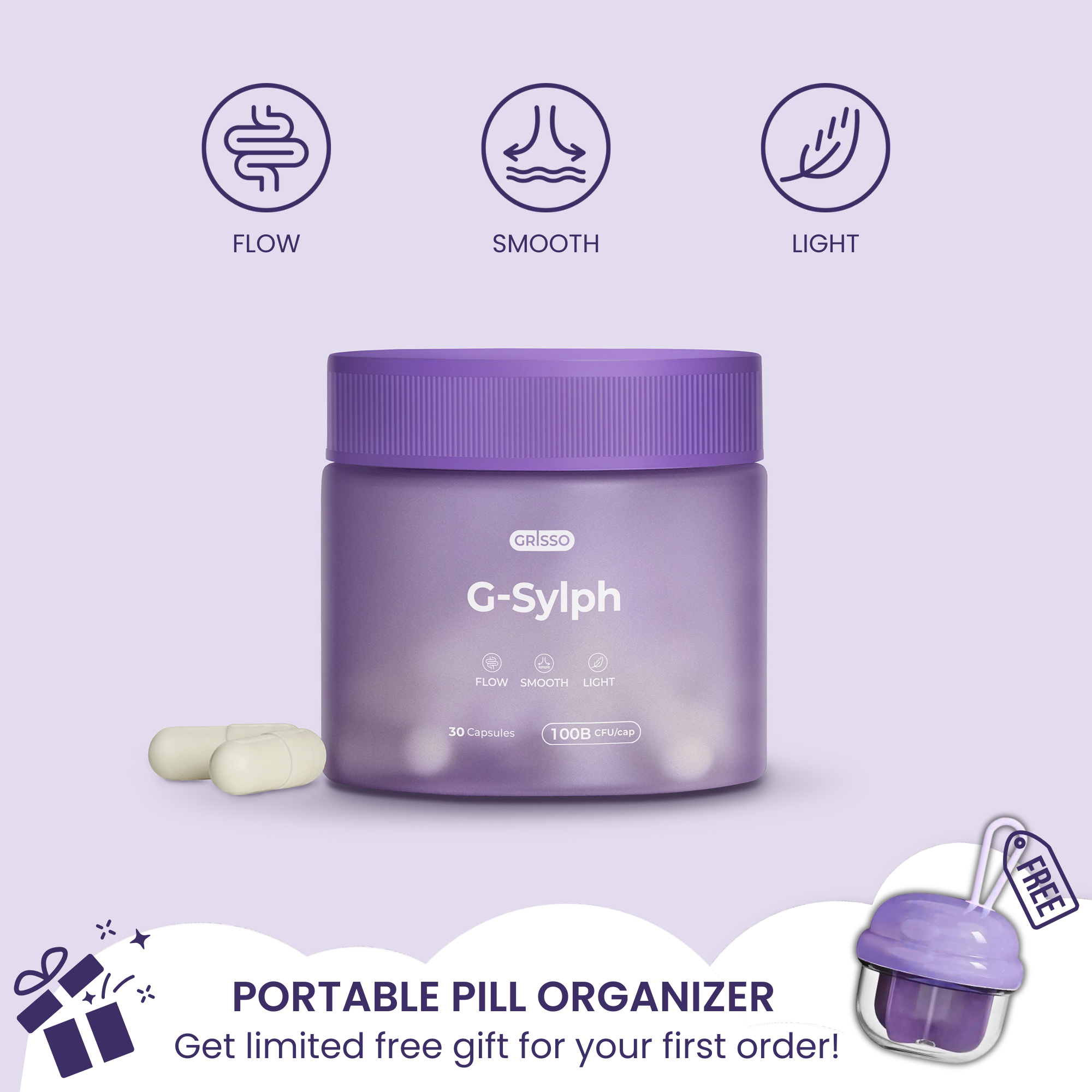
The G‑Sylph Gut Health Digestion Bowel Regularity Probiotic is formulated to support women’s digestive health and help relieve constipation in women by promoting a balanced gut microbiome and healthy bowel movements. Each capsule delivers a high‑potency blend of four clinically studied probiotic strains (100 billion CFU) that work together to improve gut flora balance, support smooth digestion, and enhance stool consistency. It also includes prebiotic fibers like inulin and fructooligosaccharides to feed beneficial bacteria and turmeric for gentle digestive comfort. Designed especially for women who struggle with bloating, irregularity, or digestive discomfort related to hormonal changes and everyday stress, this probiotic can be a helpful addition to a comprehensive constipation‑relief plan when taken daily as directed.